
Curriculum & Overview
Comprehensive mapping to FAMUS and FUSIC standards.
Why Train with the UHL POCUS Programme?
The programme follows the standard FAMUS accreditation pathway, with the hardest parts built in. Teaching, supervisors, mentors and supervised scans are all part of the programme, so you don't need to find a supervisor or arrange scanning sessions yourself. Attend, scan and keep your logbook up to date.
Supervisors & mentors provided
No need to find your own supervisor. The programme has its own FAMUS supervisors and mentors.
Supervised Scans Arranged for You
Supervised and mentored scanning sessions are part of the programme. No booking time with a supervisor or organising sessions yourself.
Theory is taught
The programme teaches the theory: ultrasound basics, normal and abnormal findings, and how to apply them to patient care.
Who can join?
Any East Midlands AIM trainee. Other UHL doctors who have attended or volunteered at the Leicester FAMUS Course get access to complete their accreditation.
The FAMUS Pathway - Made Simpler
-
1
Register with the FAMUS administrator (fee payable)Essential Step for Programme
-
2
Attend a FAMUS-approved practical courseEssential Step for Programme
-
3
Complete the theoretical training (FAMUS e-learning)Essential Step for Programme
-
4
Locate a FAMUS supervisorSupervisors provided
-
5
Undertake training scans with full supervisionSessions arranged for you
-
6
Complete each module with mentored scansMentors provided
-
7
Submit your training record to the FAMUS administrator
-
Achieve FAMUS accreditationGuaranteed by the end of the programme





FUSIC Heart Echo Accreditation
-
1
Register for FUSIC Heart with the ICS (fee payable)Essential Step for Programme
-
2
Complete the FUSIC Heart e-learning or an approved courseEssential Step for Programme
-
3
Find an approved FUSIC Heart mentorEcho mentors provided
-
4
Perform supervised and unsupervised scans and record them in your logbookScanning sessions arranged for you
-
5
Mentor signs off your logbookEcho mentors provided
-
6
Pass the pre-accreditation (triggered) assessmentWith the FUSIC Supervisor, Dr James Offer (Glenfield)
-
7
Submit your assessment documents and Summary of Training via the FUSIC Portal
-
Achieve FUSIC Heart accreditation
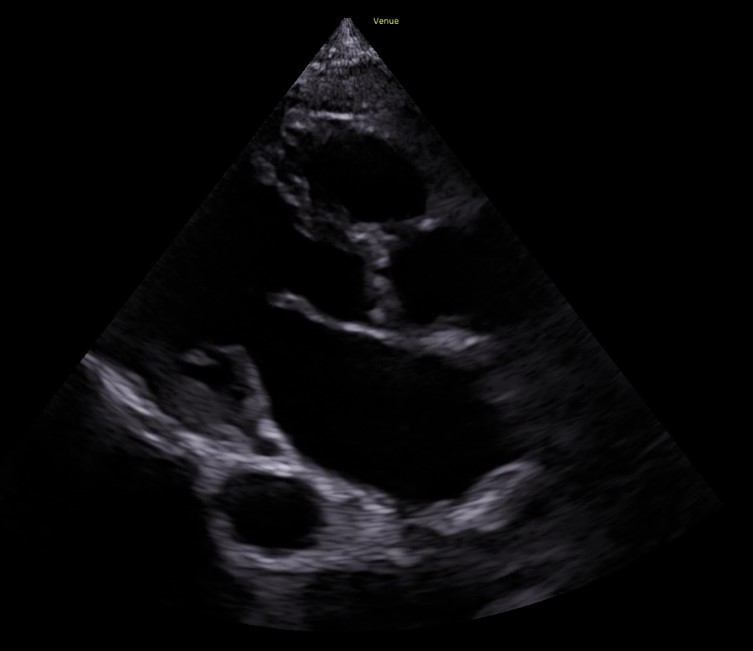



FUSIC Heart is the Intensive Care Society's accreditation in point-of-care cardiac ultrasound. The programme provides your echo mentors. The FUSIC Supervisor and the pre-accreditation (triggered) assessment are completed separately with Dr James Offer, FUSIC Supervisor at Glenfield General Hospital (UHL).
ICS time limits: complete your logbook (first to last scan) within 12 months, and all components of the accreditation within 24 months. FUSIC Heart on the ICS website
Enrolment Prerequisites & Compliance Standards
Open to East Mids AIM trainees or UHL doctors who have attended or volunteered at the Leicester FAMUS course (and FUSIC heart course/modules if pursuing echo).
Within 1 month of starting, all participants must register for FAMUS with SAM, complete e-LFH e-learning modules, and register for FUSIC heart with ICS.
Maintain active enrolment by demonstrating meaningful participation, attending at least three bedside teaching sessions per month.
- • 5 point-of-care echo scans (if enrolled)
- • 5 lung scans & 5 abdominal scans
- • 2 vascular scans & 1 US-guided vascular access
Curriculum Modules & Clinical Pathologies
Point-of-Care Ultrasound (POCUS) and echo are vital skills in the management of acutely unwell patients. Aligned with the Society of Acute Medicine (SAM) FAMUS curriculum and Intensive Care Society (ICS) FUSIC-Heart standards, our structured teaching programme covers the following modular competencies:
Lung Ultrasound
- Scanning technique and normal lung sliding
- A-lines and B-lines
- Pleural effusion and pneumothorax
- Consolidation / collapse and pulmonary oedema
- Shred sign and pleural thickening
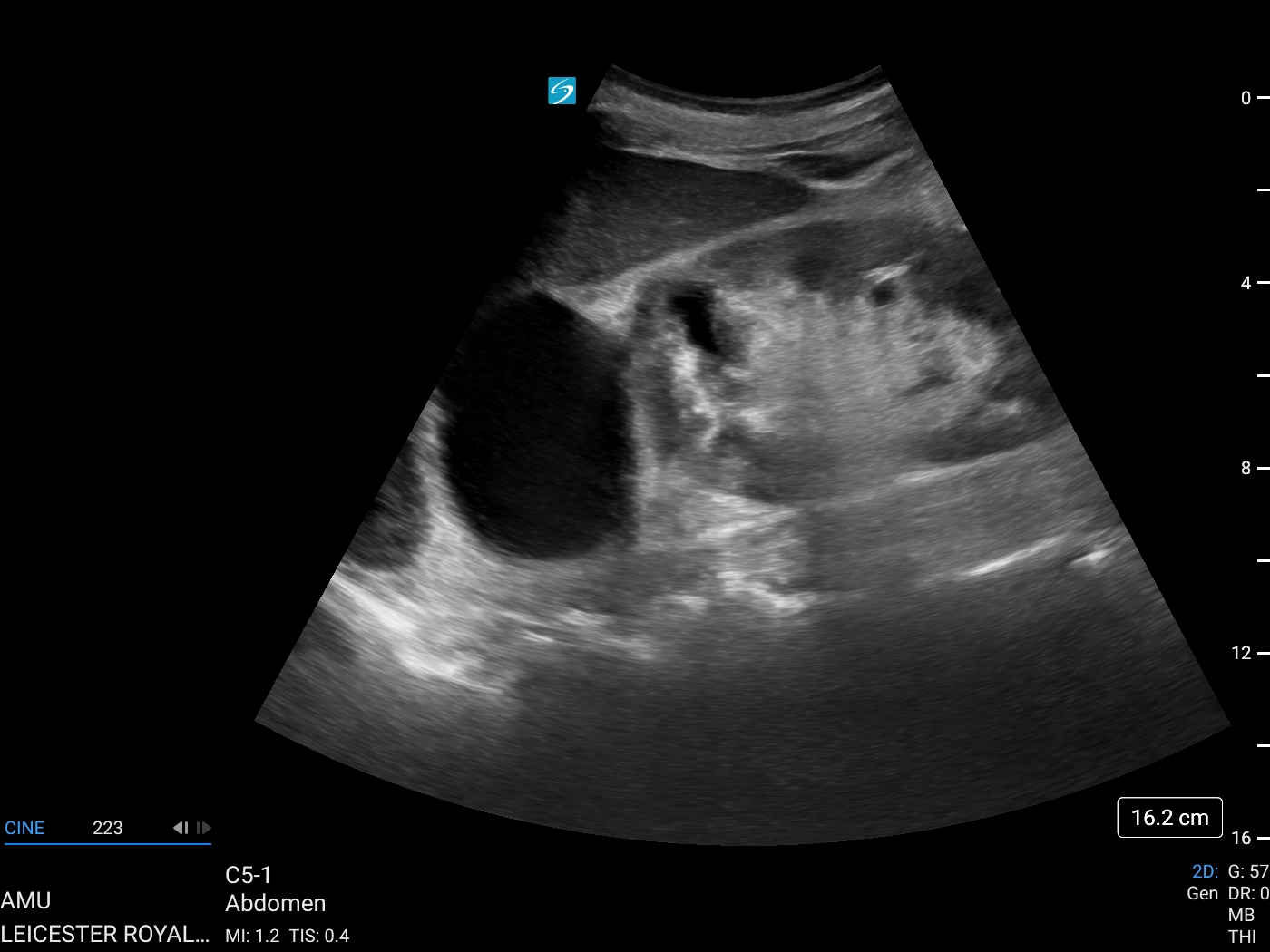
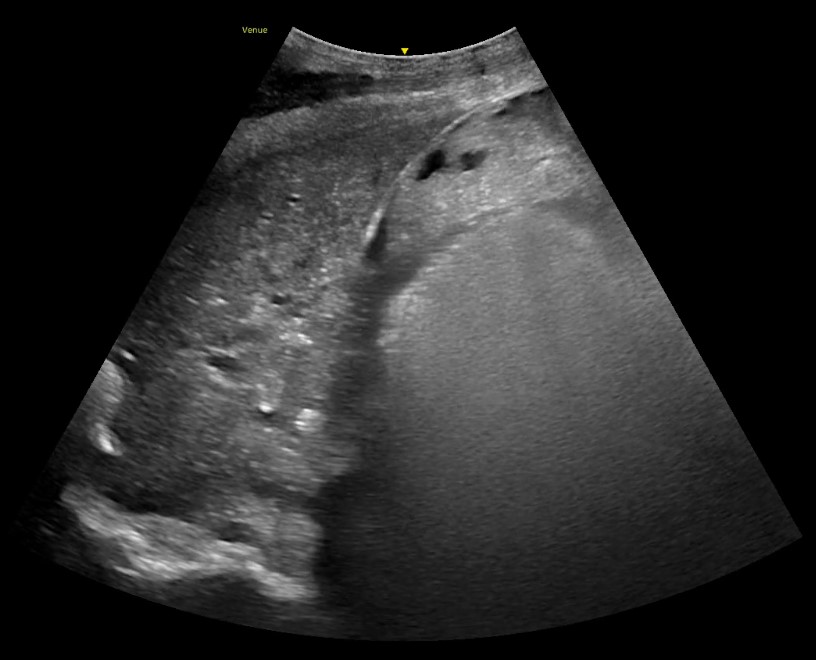
Abdominal Ultrasound
- Focused abdominal scanning technique and normal findings
- Free fluid / ascites
- Renal hydronephrosis
- Distended urinary bladder
Lower Limb DVT
- Vein compression technique to rule in DVT
- Common femoral and femoral veins
- Long saphenous and popliteal veins
- Popliteal trifurcation
Vascular Access
- Ultrasound-guided peripheral vascular access
- Needle visualisation techniques
- Securing difficult cannulation
- Practised in simulation sessions
Lumbar Puncture Bonus
- Ultrasound-assisted lumbar puncture technique
- Identifying the interspinous space
- Estimating needle depth
- Bonus module – not part of the FAMUS or FUSIC accreditation
FUSIC Echocardiography
- Normal views: PLAX, PSAX, 4C and subcostal
- LV size and function
- RV size and function, TAPSE
- Pericardial effusion
- IVC size and collapsibility
| Scans | Lungs | Abdomen | Heart | DVT | Vascular access |
|---|---|---|---|---|---|
| Supervised (with a mentor) | 10 | 10 | 10 | 5* | – |
| Mentored (by yourself, then discussed) | 30 | 30 | 40 | 10* | 5 |
* at least one positive DVT
For mentored scans you scan independently, write down your interpretation and how you would apply it to the patient’s management, then discuss it with your mentor. Supervised scans are due by the end of month 6. These follow the SAM (FAMUS) and ICS (FUSIC Heart) model and count towards the logbook.
The scans above in a logbook completed.
- Regular MCQ tests
- One reflection of about 1,000 words per module before each ACT exam
- Accreditation exam with a recognised supervisor, once the first two are complete
Marked Passed or Failed.
Intended learning outcomes
By the end of the programme, participants will be able to:
- Demonstrate knowledge of the basic concepts of point of care ultrasound and echo, including image generation, ultrasound physics, probes and how the machine works.
- Understand the governance issues associated with point of care ultrasound and echo.
- Show proficiency in the technique of point of care ultrasound (lungs, abdomen, leg vessels, peripheral vascular access) and echo.
- Interpret findings and identify relevant pathology, including lung (pleural effusion, pulmonary oedema, pneumothorax, consolidation/collapse), abdominal (ascites, hydronephrosis, distended bladder) and lower limb DVT.
- Apply scan findings to influence patient management.
- Identify areas needing further research.
- Perform ultrasound-guided vascular access.
- Attain accreditation in FAMUS and/or FUSIC Heart.
- Bonus: learn ultrasound-assisted lumbar puncture.
Indicative reading list
- Soni, N.J., Arntfield, R. and Kory, P.D. (2019). Point of care ultrasound (2nd edn). Elsevier.
- Olgers, T.J. et al. (2019). Point-of-care Ultrasound (PoCUS) for the internist in Acute Medicine: a uniform curriculum. Neth J Med, 77(5), 168-176.
- Smallwood, N., Dachsel, M., Matsa, R. and Walden, A. (2016). Focused Acute Medicine Ultrasound (FAMUS) – Point of care ultrasound for the Acute Medical Unit. Acute Medicine, 15(4), 184-187.
- Alber, K.F. et al. (2018). Focused acute medicine ultrasound (FAMUS). Acute Med, 17, 164-167.
- FAMUS Curriculum Pack (2020), Society for Acute Medicine.
- FUSIC Heart training details (2021), Intensive Care Society.
- Clare, S. and Duncan, D.C. (eds) (2022). Ultrasound for the Generalist: A Guide to Point of Care Imaging. Cambridge University Press.
- Hothi, S.S., Sprigings, D. and Chambers, J. (2014). Point-of-care cardiac ultrasound in acute medicine – the quick scan. Clinical Medicine, 14(6), 608.
- Lee, L. and DeCara, J.M. (2020). Point-of-care ultrasound. Current Cardiology Reports, 22(11), 1-10.
- Torres-Macho, J. et al. (2020). Point-of-care ultrasound in internal medicine: a position paper by the ultrasound working group of the EFIM. Eur J Intern Med, 73, 67-71.
Programme Timeline & Phases
Foundational Zoom lectures covering Thoracic, Abdomen, Vascular, and Echocardiography theory, setting the knowledge baseline before bedside scanning.
Small-group hands-on bedside teaching sessions at LRI. Trainees complete supervised scans and maintain attendance compliance (3 sessions/month). Trainees should also perform independent, mentored scans once they are deemed ready.
Trainees should continue independent, mentored scans. Final image portfolio reviews, expert mentor sign-offs, and completion of the Acute Care Training (ACT) POCUS certification requirements.
Accreditation & Curriculum Standards
Our course maps directly to national UK ultrasound curricula and accreditation standards: