
POCUS Teaching Beta

University Hospitals of Leicester NHS Trust

Register Forgot password?
POCUS Teaching UHL Beta
Log in

About the UHL POCUS Teaching Programme

Empowering acute care clinicians at Leicester Royal Infirmary (LRI) with point-of-care ultrasound proficiency.

Our Mission

Our mission with the programme is to improve the use of POCUS for the benefit of all our patients being admitted to hospital medicine: helping in accurate prompt diagnosis, assessing response to treatment, assessing patients acutely unwell or decompensated, and helping with vascular access and Lumbar Puncture procedures.

Programme Leads & Faculty

Dr. Latif Rahman

Programme Co-Lead, FAMUS Supervisor & FUSIC Heart Mentor

Consultant

TutorSupervisorFUSIC Mentor

Teaching and admin lead, founding member coordinating curriculum delivery, supervision, and accreditation pathways.

Dr. Salam Al-Alousi

Programme Co-Lead, FAMUS Supervisor & FUSIC Heart Mentor. FUSIC Lung, Abdomen, DVT Supervisor

Consultant

TutorSupervisorFUSIC Mentor

Teaching lead and clinical mentor specializing in bedside scanning, procedural ultrasound, and image interpretation. Website creator and developer.

Admins 1

Adam Man

Tutors 3

Salam Test Mentor
Acute Medicine SpR
Sarah Lee Mentor
Sylvester Stallone Supervisor
Acute Medicine SpR

Teaching Sites

Leicester Royal Infirmary (LRI)

University Hospitals of Leicester (UHL) NHS Trust

LRI serves as the primary hub for our hands-on bedside teaching sessions, simulation workshops, and clinical mentoring.

Main Communication

Official WhatsApp Group

The main form of day-to-day communication, announcements, scan discussions, and Q&A is conducted via our dedicated WhatsApp group (which all enrolled members are already a part of).

For any queries, please contact the Co-Leads directly on WhatsApp.

Programme History & Impact

We started this programme in 2021, and this year marks our 6th successful cycle. Every year, we help in the accreditation of more than 10 trainees per year in FAMUS and/or FUSIC Heart, significantly enhancing the utilization of POCUS throughout our hospital's acute medicine department.

Beyond the main 11-month cycle, we run popular twice-monthly vascular ultrasound teaching sessions for Acute Medicine trainees, regular drop-in sessions, and dedicated Ultrasound-Assisted Lumbar Puncture teaching sessions throughout the year. Notably, Dr. Latif Rahman and Dr. Salam Al-Alousi were founding members in the small team that invented the national FAMUS Lumbar Puncture module.

State-of-the-Art Departmental Ultrasound Fleet

Our Acute Medicine Department is equipped with 6 cart-based systems and 4 handheld devices for continuous training and clinical practice.

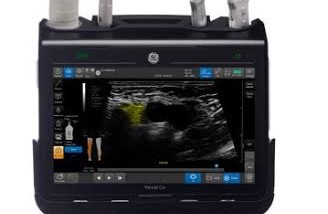
GE Venue Go 4 Units

GE Venue Go

Robust cart-based touch system with AI-enabled tools (Lung Sweep, Auto IVC, Real-Time EF).

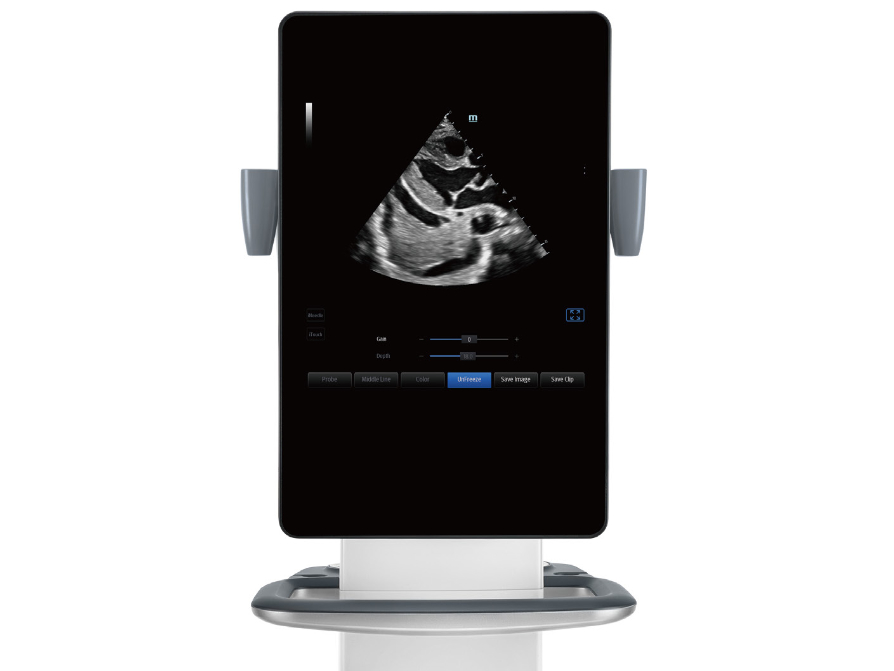
Mindray TE9 2 Units

Mindray TE9

Advanced tablet-style touchscreen system with iNeedle visualization and robust cardiac/vascular presets.

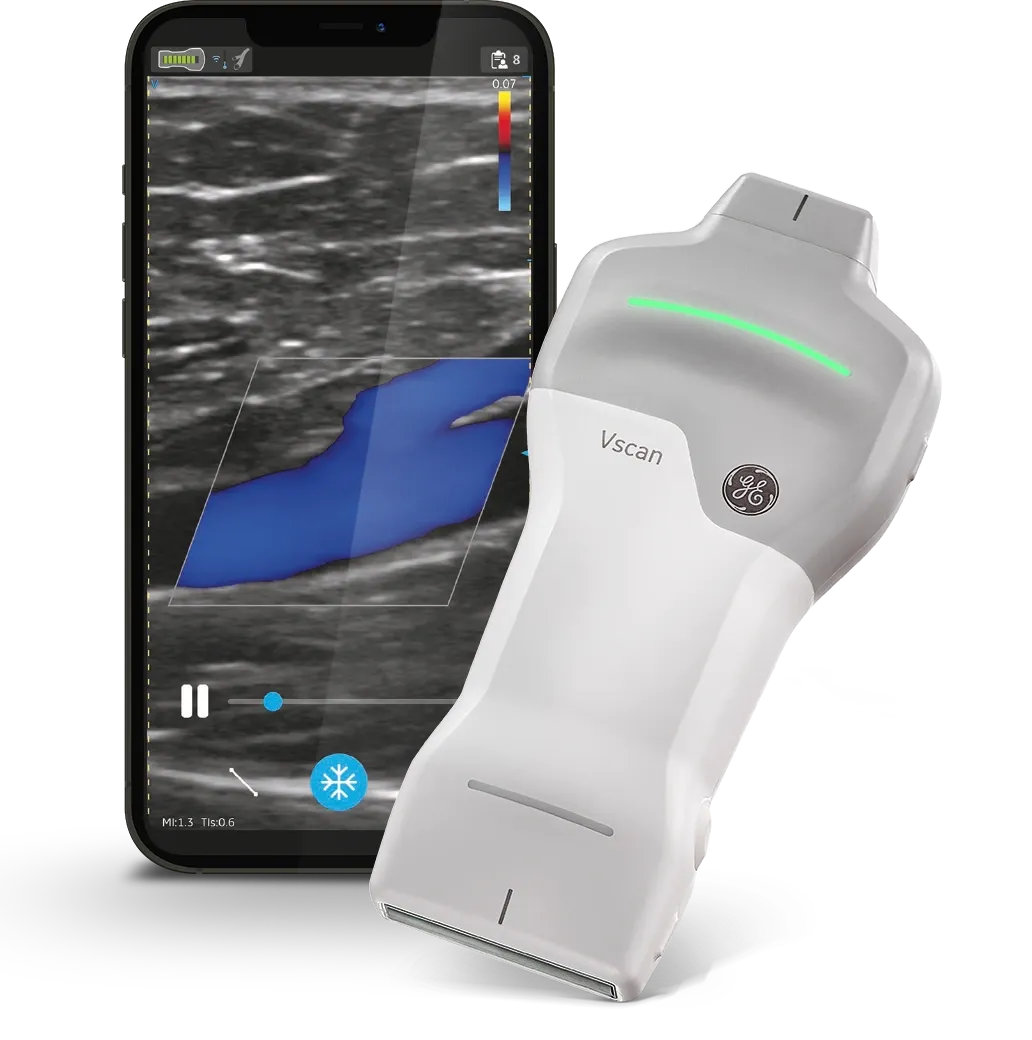
GE Vscan Air Handheld

GE Vscan Air

Dual-probe wireless handheld ultrasound delivering crystal-clear imaging in the palm of your hand.

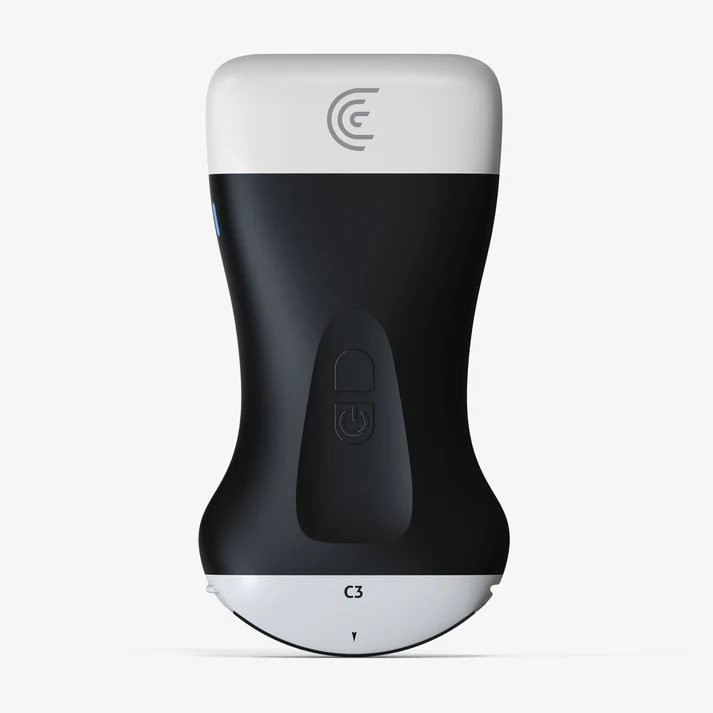
Clarius C3 HD3 Handheld

Clarius C3 HD3

High-frequency octal beamformer handheld scanner providing premium cart-based image quality wirelessly.

In the Media

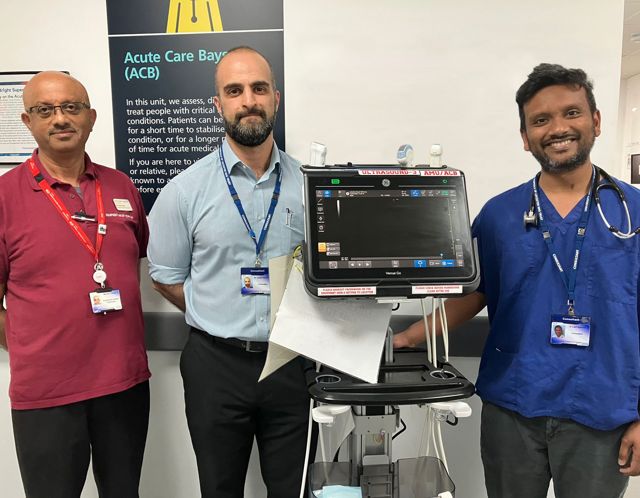
Dr Salam Al-Alousi and colleagues standing beside the GE Venue Go ultrasound machine on the Acute Medical Unit
Dr Salam Al-Alousi (middle) and Dr Latif Rahman (right) with the new ultrasound machine on the Acute Medical Unit. Photo: Leicester Hospitals Charity.
Leicester Hospitals Charity

Autumn 2025 Newsletter · pages 2-3

Bringing ultrasound to the bedside: faster, kinder care for patients

A new point-of-care ultrasound (POCUS) machine, funded through donations to Leicester Hospitals Charity, is now in daily use on the Acute Medical Unit at Leicester Royal Infirmary. Before this, a single scanner was shared between several specialist wards, which meant delays and limited access. A dedicated machine on the unit lets the clinical team scan at the bedside, often during the first assessment, so the right treatment can start straight away.

The machine is used many times a day, helping doctors identify infections, locate free fluid and assess heart and lung function in breathless patients. It also makes procedures such as cannulation and lumbar puncture safer by guiding the needle in real time, which means fewer attempts and less discomfort. In some cases the bedside scan has replaced the need for a formal X-ray.

The feature also highlights the role of the machine in training the next generation of acute medicine consultants, as part of a region-wide POCUS programme in which Leicester's hospitals are helping lead teaching for doctors across the East Midlands.

With thanks to Leicester Hospitals Charity and its supporters.